
Embracing Wabi-Sabi in Kintsugi Art

There’s something quietly beautiful about imperfection. It’s a feeling that resonates deeply when you look at a piece of art that tells a story of time, wear, and repair. Kintsugi, the Japanese art of repairing broken pottery with gold, is a perfect example of this. It’s not just about fixing something broken; it’s about celebrating the cracks and flaws as part of the object's history. This philosophy aligns closely with the principles of wabi-sabi, a worldview that finds beauty in impermanence and imperfection.
If you’ve ever admired a kintsugi piece, you might have felt a sense of calm and acceptance wash over you. That’s the magic of embracing flaws and seeing them as unique marks of character. Today, I want to take you on a journey through the principles of wabi-sabi and how they beautifully intertwine with kintsugi art.
Understanding the Principles of Wabi-Sabi in Kintsugi Art
Wabi-sabi is a Japanese aesthetic that values simplicity, naturalness, and the beauty of things imperfect, impermanent, and incomplete. It’s a gentle reminder that life itself is transient and that there is grace in accepting this truth.
The principles of wabi-sabi encourage us to:
Appreciate the modest and humble
Find beauty in the natural cycle of growth and decay
Embrace asymmetry and irregularity
Value the passage of time and the stories it leaves behind
When you look at a kintsugi bowl, you see these principles in action. The golden seams don’t hide the cracks; they highlight them, turning what might be seen as damage into a feature of beauty and history.
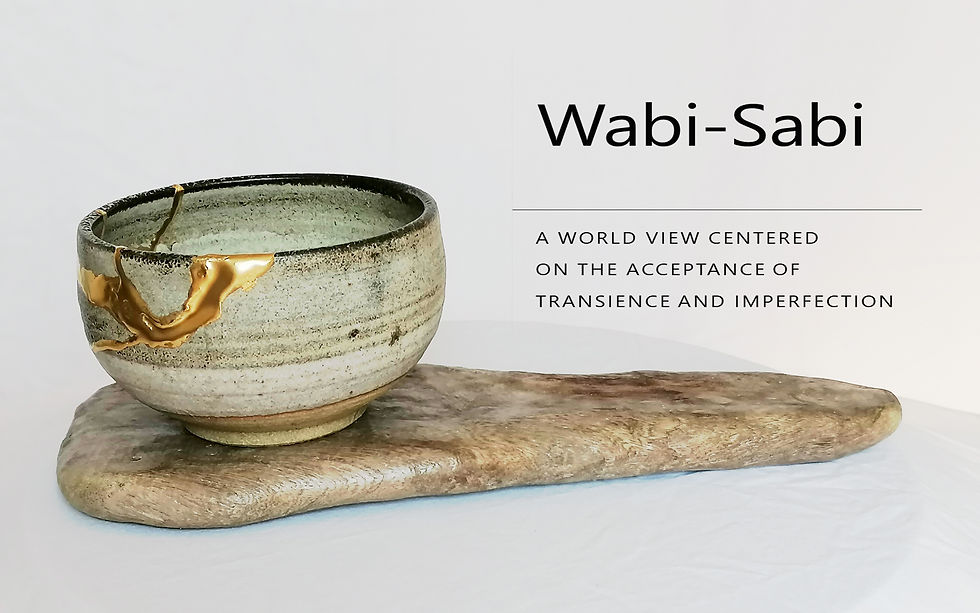
This approach is a refreshing contrast to the modern obsession with perfection and newness. Instead, it invites us to slow down, observe, and appreciate the unique character that time and experience bring to objects — and to life.
What are the Three Principles of Wabi-Sabi?
To truly embrace wabi-sabi, it helps to understand its three core principles:
Impermanence (Mujō)
Everything changes, nothing lasts forever. This principle reminds us to appreciate the fleeting nature of life and objects. In kintsugi, the cracks and repairs tell a story of change and survival.
Imperfection (Fukinsei)
Beauty is found in the irregular and incomplete. The uneven gold lines in kintsugi are a perfect example — they are not symmetrical or flawless, but they are captivating.
Incompleteness (Wabi)
There is a quiet elegance in things that are unfinished or simple. Kintsugi pieces often have a rustic, understated charm that reflects this principle.
These principles are not just abstract ideas; they are practical guides for how to see and appreciate the world differently. They encourage us to slow down, notice the small details, and find joy in the imperfect.
How Kintsugi Brings Wabi-Sabi to Life
Kintsugi is more than a repair technique; it’s a philosophy made tangible. When a ceramic piece breaks, instead of discarding it, the cracks are filled with lacquer mixed with powdered gold, silver, or platinum. This transforms the object into something new and more beautiful than before.
This process perfectly embodies the wabi-sabi philosophy by:
Honouring the object's history: The cracks are not hidden but celebrated.
Creating something unique: No two kintsugi repairs are the same.
Embracing imperfection: The repaired piece is valued for its flaws.
For art collectors and enthusiasts, kintsugi offers a powerful metaphor. It’s a reminder that beauty is not about perfection but about authenticity and resilience. Owning a kintsugi piece means holding a story of transformation and hope.

If you’re considering adding kintsugi art to your collection, look for pieces that speak to you personally. Each crack and repair is a chapter in the object's life, making it a truly one-of-a-kind treasure.
Practical Tips for Collecting and Caring for Kintsugi Art
If you’re drawn to kintsugi, here are some practical tips to help you appreciate and care for these unique pieces:
Choose pieces with visible repairs: The beauty of kintsugi lies in the golden seams. Don’t shy away from pieces with prominent cracks.
Handle with care: Although repaired, kintsugi ceramics can be delicate. Avoid sudden temperature changes and rough handling.
Display thoughtfully: Place your kintsugi art where it can be admired up close. The details of the gold repairs are best appreciated in good light.
Learn the story: Whenever possible, find out the history behind the piece. Knowing its journey adds depth to your appreciation.
Support artists: Many contemporary artists practice kintsugi. Supporting them helps keep this beautiful tradition alive.
By following these tips, you’ll not only preserve your kintsugi art but also deepen your connection to its story and meaning.
Why Wabi-Sabi and Kintsugi Matter Today
In a world obsessed with perfection and constant newness, the principles of wabi-sabi and the art of kintsugi offer a refreshing perspective. They invite us to slow down, appreciate the imperfect, and find beauty in the natural flow of life.
For art collectors, embracing these ideas can transform how you view your collection. Instead of seeking flawless pieces, you might find yourself drawn to works that tell a story, that show the marks of time and care.
At Alan’s Art Gallery, we believe in celebrating this philosophy. Our collection includes unique, original art that reflects the beauty of imperfection and the power of transformation. Whether you’re a seasoned collector or just beginning your journey, exploring kintsugi and wabi-sabi can open new doors to appreciation and connection.
So next time you see a cracked bowl repaired with gold, remember: it’s not just a piece of pottery. It’s a symbol of resilience, beauty, and the quiet power of imperfection.
If you want to explore more about the beauty of ceramics and the wabi-sabi philosophy, feel free to visit Alan’s Art Gallery and discover pieces that speak to your soul.


Comments